Where unreinforced chimneys break
After a strong quake in Southern California the damage photos look alike: brick heaped on a lawn, a hole in the roof where a stack used to stand, the lower chimney still in place. The break comes in the same few spots on almost every unreinforced brick chimney, and those spots are where a retrofit puts its effort.
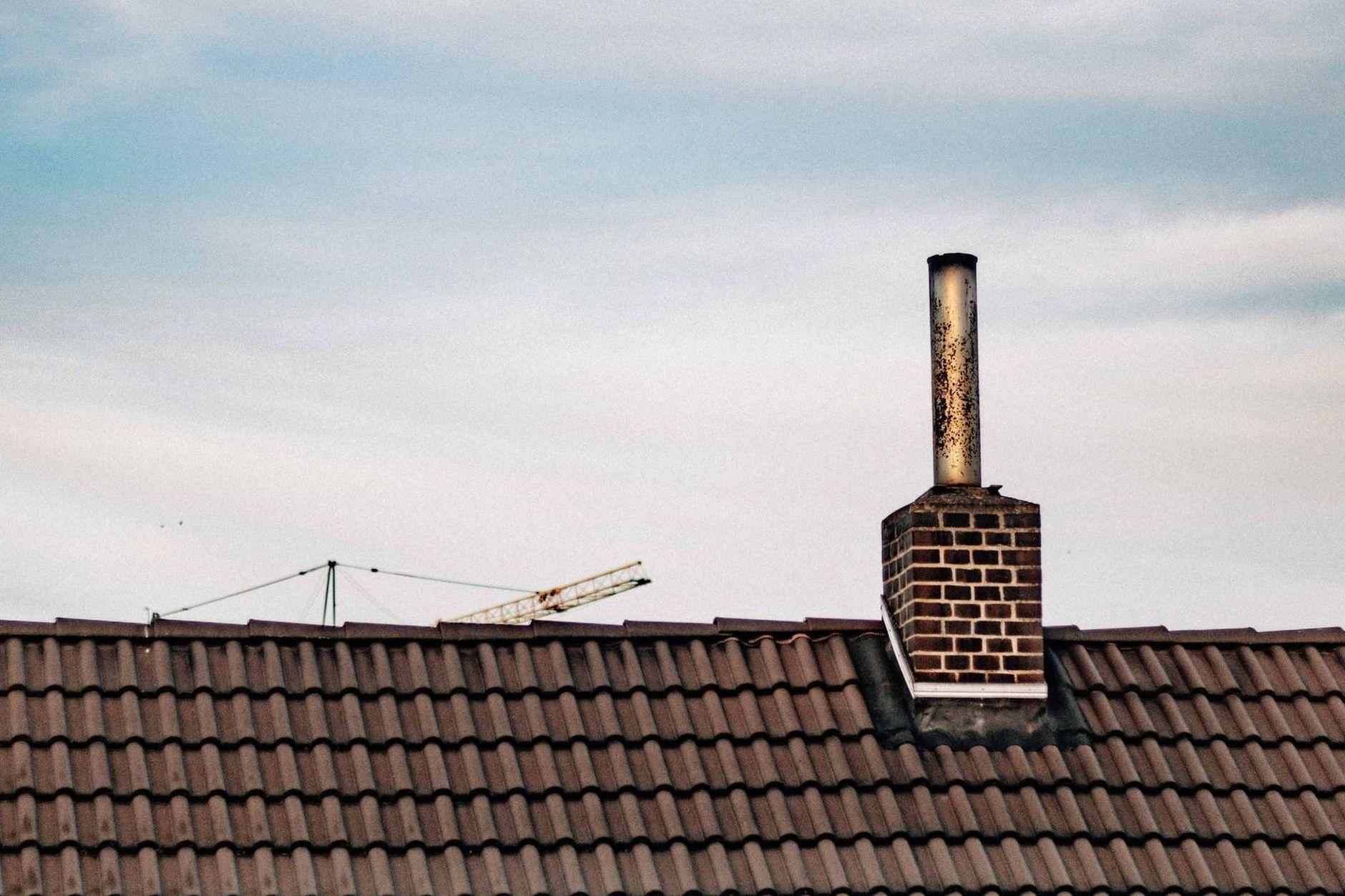
On a typical older house in Orange, the stack rises from a firebox at ground level, passes the eaves, and stands free above the roof. Below the roof, the house framing gives the masonry some support on one side. Above it there is none. When the ground shakes, the free top whips back and forth on joints never meant to resist bending, and it snaps close to the roofline, right where it changes from held to free.
Mortar condition makes a large difference. A stack with tight, well-filled joints can ride out shaking that would topple one whose joints have turned to sand.
What a mason checks before any steel
Before anyone talks about steel, we look at the brick. A seismic visit from Marsh Chimney Group covers:
- the height of the free stack above the roof, and how slender it is;
- the mortar, and whether it scratches out with a key or holds;
- cracks running across the joints near the roofline or the eaves;
- any gap opening between the chimney and the wall of the house;
- the crown and flue tile at the top, which add weight and are often already split;
- how, and whether, the chimney is fastened to the house framing today.
A Level 2 inspection at $405 adds the inside view. Shifted or cracked flue tiles from earlier shaking are common in chimneys that stood through the 1987 and 1994 quakes, and they change what a retrofit should include.
The three broad approaches
In general terms, retrofit work falls into three groups, and many jobs mix them.
Bracing above the roof. Steel members fixed to the upper stack and anchored back into the roof framing, so the free section is held from more than one direction instead of standing alone. It suits a stack whose masonry is in fair shape.
Ties at the floor and roof lines. Steel bands or angles around the chimney at the levels where it meets the house framing, fastened into joists or rafters. They make the chimney and the house move together at those points and slow a gap from opening.
Taking the top down and building back lighter. When the brick above the roof is weak, we remove it to the roofline or a little below, then build the part above the roof again, either as reinforced masonry or as a framed chase around a metal flue, depending on how the fireplace will be used. That takes away the heaviest and most exposed section altogether.
Steel needs firm brick to hold
Steel fastened to crumbling masonry just gives loose brick something to pull against. If the joints above the roof have failed, the brick has to be repointed or relaid before any brace goes on, or the top should come down instead. The scope says which, and we will not fit bracing where we think it will not hold. On older stacks in Orange laid in soft lime mortar, we repoint with a mix that suits that brick rather than a hard cement, so the new joints flex with the old units instead of cracking them.
What decides the price
There is no published figure for seismic work, because no two stacks are alike. The written scope prices:
- The approach. Bracing alone is the smallest job; a teardown and rebuild above the roof is the largest.
- Stack height and size. A tall stack with two flues needs more steel or more brick than a short one with a single flue.
- Masonry first. Any repointing or relaying needed before steel goes on.
- Roof work. Opening and patching the roof where braces anchor or where the stack comes down, and new metal where brick meets roof.
- The top. A new crown and cap whenever the upper courses are rebuilt.
For a scope on your chimney, tell us on the quote form your street in Orange, whether the stack serves one storey or two, and anything you have noticed: cracks near the roofline, a lean, or a gap at the wall. We call back to arrange a roof visit.
What a retrofit cannot promise
No retrofit makes an old brick chimney quake-proof. The aim is to lower the odds that the upper stack falls, and to keep it from coming down onto the roof, the path by the front door or the side yard next door. Each option is described in plain terms on the scope, and the choice stays yours. The seismic retrofit page has more on the work.
Already cracked by shaking
If a recent quake has already cracked your chimney, leave the fireplace cold until someone has looked, and keep people and pets clear of the side of the house under the stack. Quake damage is a chimney repair first and a retrofit second. The rebuild cost guide explains how a teardown is priced, and our chimney rebuilds page covers the masonry work.
Have the stack looked at
An older brick chimney standing tall over a house in Orange is worth a mason's eye before the next strong quake. Ask for a seismic visit through our contact page.
Have a Mason Look at Yours
Marsh Chimney Group works on brick chimneys in Orange and across Orange County. We test the joints, read the brick and the crown, and send a written scope that names each repair, its material and its price before any work begins.