A rebuild is priced by the brick, not by the house
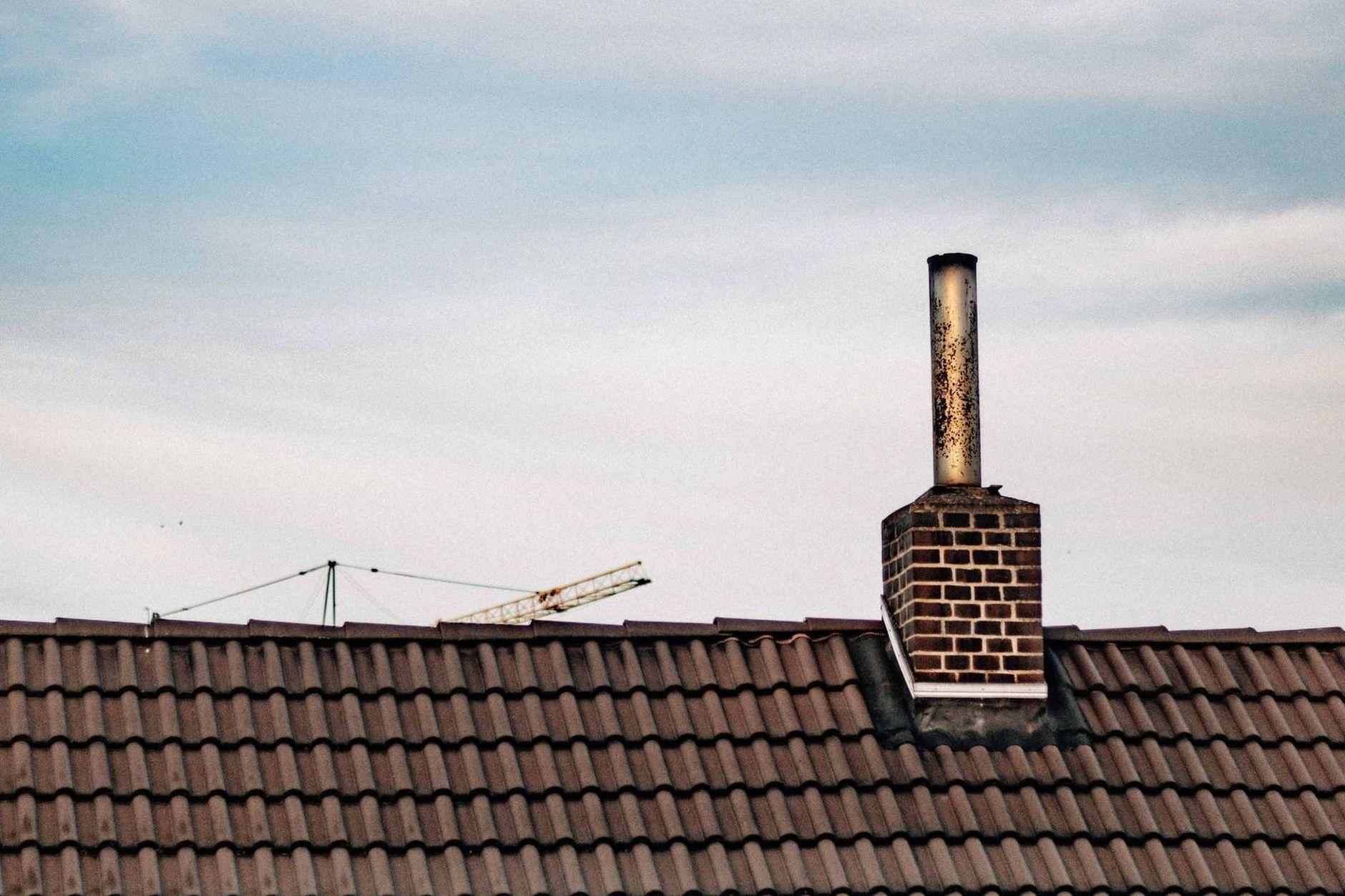
Every rebuild we price in Orange starts on the roof with a mason looking at three things: how many courses are loose, what the old mortar was made of, and how much of the stack still holds together as one piece. Two houses on the same street in Old Towne can carry chimneys of the same height and still land far apart, because one has soft joints in the top four feet and the other has open joints all the way into the attic.
Marsh Chimney Group works as a masonry trade first, and that shapes the number. We count brick, we read the bond pattern, we scratch a joint to see whether it falls out like sand or holds like cement, and we work out where solid masonry begins. The written figure follows from that.
Three jobs that all get called a rebuild
Owners say "rebuild" for anything from a few new courses to a whole new chimney. On paper we split it three ways so the scope matches the work.
- Repointing. The brick is whole and the joints have worn back. We cut the old mortar out to an even depth and fill each joint again in layers, tooled to the same profile as the rest of the house. No brick comes down.
- Top-section rebuild. The upper courses have lost their bond, usually where the stack clears the roof and takes the weather. We take those courses apart by hand, clean and keep every brick worth keeping, and lay them back on a fresh bed under a new crown.
- Rebuild from lower down. When the brick is cracked through in the attic or the stack has moved off its line, the teardown goes further. This is the biggest job, and the one where the roof, the flashing and the flue all join the scope.
Most calls we take in Orange end up in the first two groups. The third is less common and usually follows a quake, a leak left alone for years, or a stack that was poorly laid in the first place.
What decides the number on your scope
These are the items that move a rebuild price, roughly in order of how much they move it.
- Courses removed. Each course is handwork: chipping, sorting, cleaning, relaying. Six courses and twenty courses are different weeks on the calendar.
- Brick kept versus brick bought. Common brick from the 1920s and 1930s cleans up well when it comes off soft lime mortar. Brick that spalls or splits on the way down has to be replaced, and matching the size and colour of pre-war brick can mean hunting for salvaged stock.
- The mortar. A soft old brick laid in hard modern cement cracks at the face within a few winters. We mix to suit the brick, softer for older stock, and that choice adds a little time for a lot of life.
- The flue. If the clay tiles inside are broken where the brick comes off, the flue needs attention before new courses go back. Sometimes that means new tiles in the rebuilt section; sometimes it points to a liner.
- Roof and access. A steep tile roof, a two-storey eave or a stack set in the middle of a ridge needs more setup and more protection than a low pitch over a single-storey ranch.
- Flashing and crown. Any rebuild that passes through the roofline means the old metal comes off and new metal goes in. Every rebuild finishes with a crown.
None of these has a fixed figure on our price list, so a rebuild has no published price here. The number arrives on a written scope once a mason has stood on the roof, with each of the six items above as its own line.
If your stack looks loose or the joints have gone sandy, tell us about it on the quote form: the street, roughly how old the house is and which side of the brick looks worst. We ring back to set a roof visit.
Why a phone price for a rebuild is a guess
A rebuild figure given blind is wrong in one direction or the other. Too low and the job stalls halfway down when the brick turns out worse than hoped. Too high and the owner pays for courses that never needed to come off.
We would rather book a Level 2 inspection at $405, put a camera up the flue and see the inner face of the brick before anyone talks about how far down to go. The footage often settles it. Joints that look rough from the roof can be solid two inches in, and a crack that looks cosmetic outside can run straight through the flue tile.
Matching the old work
People in Orange care how a chimney looks, especially on the older blocks near the Plaza where the brick is part of the face of the house. A rebuild that leaves a band of bright new brick and grey cement at the top reads as a patch for the rest of the house's life.
We keep as much original brick as survives the teardown. We match joint width, joint profile and mortar colour to the courses below. When we must bring in brick, we sort it for size and tone before laying, rather than mixing it in at random. It is slower than laying straight from a pallet, and it is the part of the job that makes the repair vanish from the street.
Repoint first when the brick allows it
A rebuild is not always the answer. If the bricks are whole and the bond is holding, repointing brings the joints back for far less than taking the stack down, and the scope will say so. Where the masonry is fine but the slab on top has split, a crown repair may be the whole job. If the brick is loose and the house is old, read our note on bracing an older chimney before deciding how much to take down.
What the written scope names
- how many courses we plan to remove, and where we expect to reach firm brick;
- whether the brick is reused, matched from salvage or new;
- the mortar mix and why it suits that brick;
- what happens to the flue, the flashing and the crown;
- what we do, and what it adds, if the masonry below our planned line proves weaker than it looked from above.
You sign that page before a single brick comes off. Our chimney rebuilds page covers the work itself in more detail.
Get a mason on the roof
Loose courses, crumbling joints or a lean you can see from the sidewalk on a house in Orange all start the same way: send the address through our contact page and a mason comes out to read the brick.
Have a Mason Look at Yours
Marsh Chimney Group works on brick chimneys in Orange and across Orange County. We test the joints, read the brick and the crown, and send a written scope that names each repair, its material and its price before any work begins.