
The brick shows who did the last repair
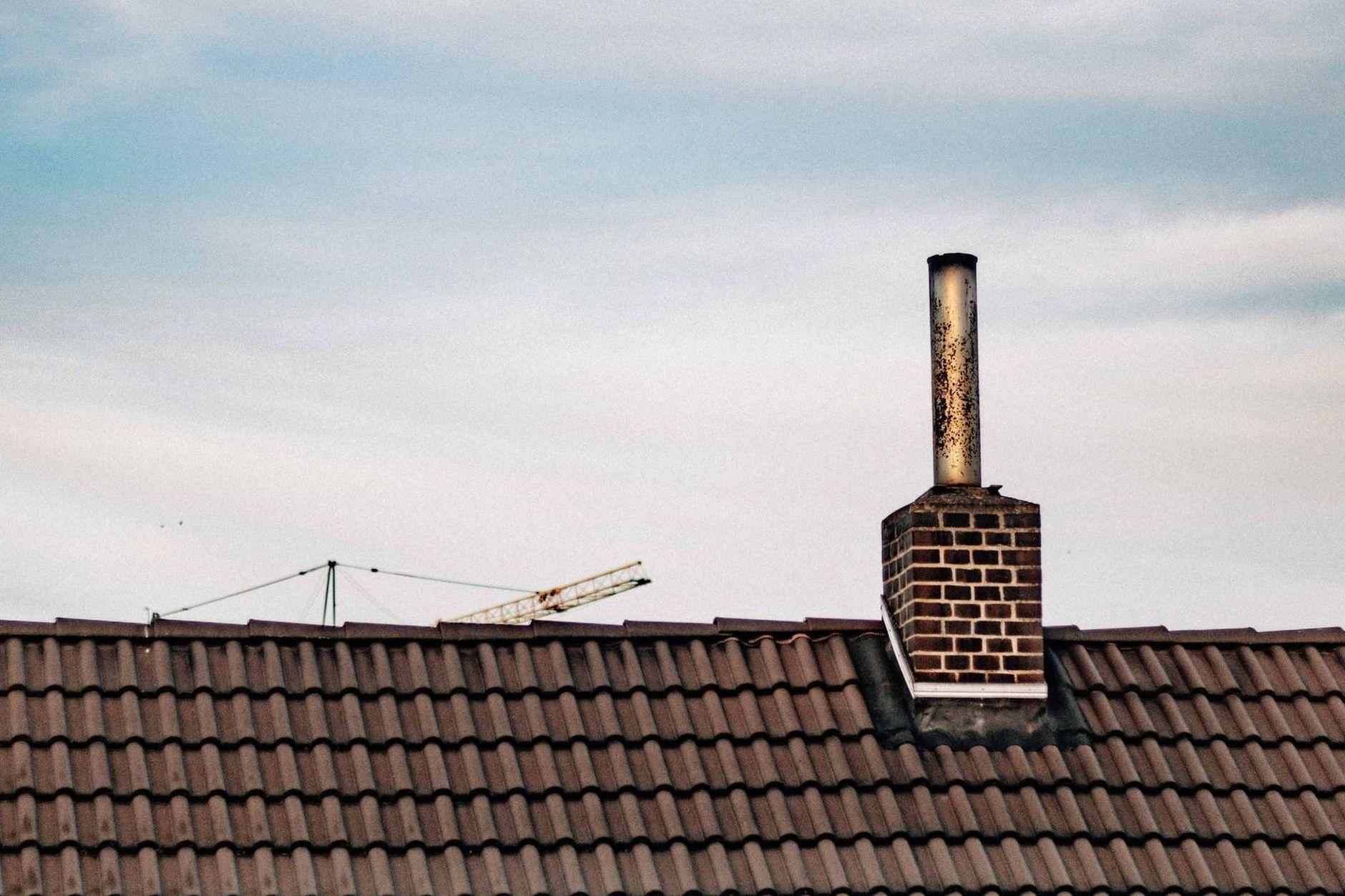
Walk almost any older block in Orange and you can pick out a chimney that was patched by someone who was not a mason. The joints are a different colour from the rest of the stack, smeared across the brick face instead of tooled into the joint, and hard grey cement sits against soft red brick. A few winters later the brick beside those joints starts to flake.
That is the main reason to hire for masonry skill and not just for a crew with a ladder. This post covers what to look for when you hire someone to work on chimney brick, and how Marsh Chimney Group handles each point.
Mortar is meant to be the weak partner
A chimney is a column of brick held together by mortar, and the mortar is supposed to be the softer of the two. When the stack heats, gets soaked or moves, the joint should give first, because a joint can be raked out and filled again while a broken brick has to be cut out whole. A contractor who understands that will bring up the mortar before the price.
Put these to anyone you are thinking of hiring:
- Which mortar, and why? A real answer depends on the age of the brick. Pre-war brick often wants a lime-rich mix; later, harder brick can take a stronger one. "Whatever is in the truck" is the wrong answer.
- How deep will the joints be cut? A skim over old mortar falls out within a season or two. The old material should come out to a steady depth before anything new goes in.
- How will the colour and joint shape be matched? Concave, flush, raked and struck joints all read differently from the street. A match needs a sample board.
- What happens to brick that comes down? Reuse the sound ones, replace the rest, and say which is which on paper.
Signs a price was written without looking
A figure given before anyone has seen the top of the stack is not really a quote. A few patterns turn up in the paperwork owners bring us to compare:
- one line reading "chimney repair" and a total, with no materials named;
- a coating offered as the whole fix for brick that is loose;
- no mention of the crown or the roofline metal on a job that touches the top courses;
- a finish date set before anyone has been on the roof.
None of that means the contractor is dishonest. It means the job has not been scoped, and an unscoped job is where change orders come from.
What decides the first step
For masonry, the first paid step is usually an inspection, so the person pricing the repair has seen the brick from both sides. A Level 1 at $170 suits a chimney that has been in steady use with nothing new to worry about. A Level 2 at $405 records the inside of the flue on video from the firebox to the top and takes in the hidden brick under the roof deck. We suggest it when the outside already shows damage, because cracks on the face often have partners inside.
After that, the repair figure depends on how much brick and mortar is involved, how easy the roof is to work, and whether the flue, the crown or the flashing has to be included. A handful of jobs have fixed published prices, such as a cricket; our up to code repairs page lists them. A cap is quoted after we measure. Masonry itself is priced job by job on a written scope.
To start, use the quote form with your street in Orange, what the chimney serves and what you have noticed on the brick. We call back with the inspection level that fits.
How our masonry scope reads
Our scopes read like a mason's work order, because on the day that is what they become:
- Where. Which faces of the stack, which courses, how far below the roofline.
- What comes out. Joints raked to what depth, which bricks are cut out and how many.
- What goes in. The mortar named, the brick source named (reused, salvaged or new), the crown type.
- What it touches. Flashing, cap, flue tile, and any roof tiles that will be lifted.
- What could change. The brick nobody can see until a joint is open, and the plan if it is worse.
- Price. Each line priced, then a total.
You can hand that page to another mason and get a fair comparison, which is the whole idea.
When repointing is the wrong answer
Sometimes the honest answer is that the joints are not the real trouble. If the brick faces have spalled, the stack has shifted, or bricks lift out by hand, new mortar just holds failing material in place a little longer. We say so and price a section rebuild instead; our rebuild cost guide explains how that figure is built. If the slab on top is the weak spot, the crown repair or new crown post goes through that choice.
Brick and quake country
Every chimney in Orange stands in a region that has felt damaging quakes in living memory. That does not mean every old stack must come down. It does mean the mason should check how the chimney is held to the house and whether the upper courses are knit together well enough to stay put when the roof sways. Our seismic retrofit page sets out the options in general terms, and masonry repair covers the joint and brick work itself.
Line up the visit
If you are comparing contractors for brick work on a chimney in Orange, begin with a look at the masonry and a scope you can set beside the others. Our contact page takes the request, and a mason rings you to arrange the visit.
Have a Mason Look at Yours
Marsh Chimney Group works on brick chimneys in Orange and across Orange County. We test the joints, read the brick and the crown, and send a written scope that names each repair, its material and its price before any work begins.