Two inspectors, two different jobs
In escrow on a house in Orange, the general inspection report will usually spend a line or two on the fireplace. It may say the damper opens, there is soot in the firebox, and a specialist should take a closer look. That last phrase is the inspector telling you the inside of the chimney sat outside the scope of a whole-house visit.
What it leaves open is the masonry: the flue tile, the mortar between tiles, the brick around them and the parts hidden behind walls and under the roof. Costly chimney trouble lives there, and that is what a Level 2 is for.
Why a sale points to a Level 2
NFPA 211, the fireplace and chimney standard used nationally, sets out three levels of inspection. Level 2 is the one it links to a house changing hands. From a buyer's chair the logic is plain: you cannot know how hard the last owner fired the fireplace, or whether anything ever went wrong inside it.
On older brick chimneys in Orange, the camera most often turns up:
- Cracked or offset flue tiles. Clay tile can split from a hot fire or slide in a quake. A gap in the lining lets heat and smoke reach the brick and the framing around it.
- Missing mortar between tiles. Eroded joints leave open seams running up the flue.
- Old, mended damage. Fresh mortar in a few joints high in the flue, or new tiles in an old run, tells you work was done. The question is why.
- Water marks. Staining and white salt deposits inside the flue point to a crown or cap problem up top.
None of that shows from the room or the lawn.
What the $405 visit covers
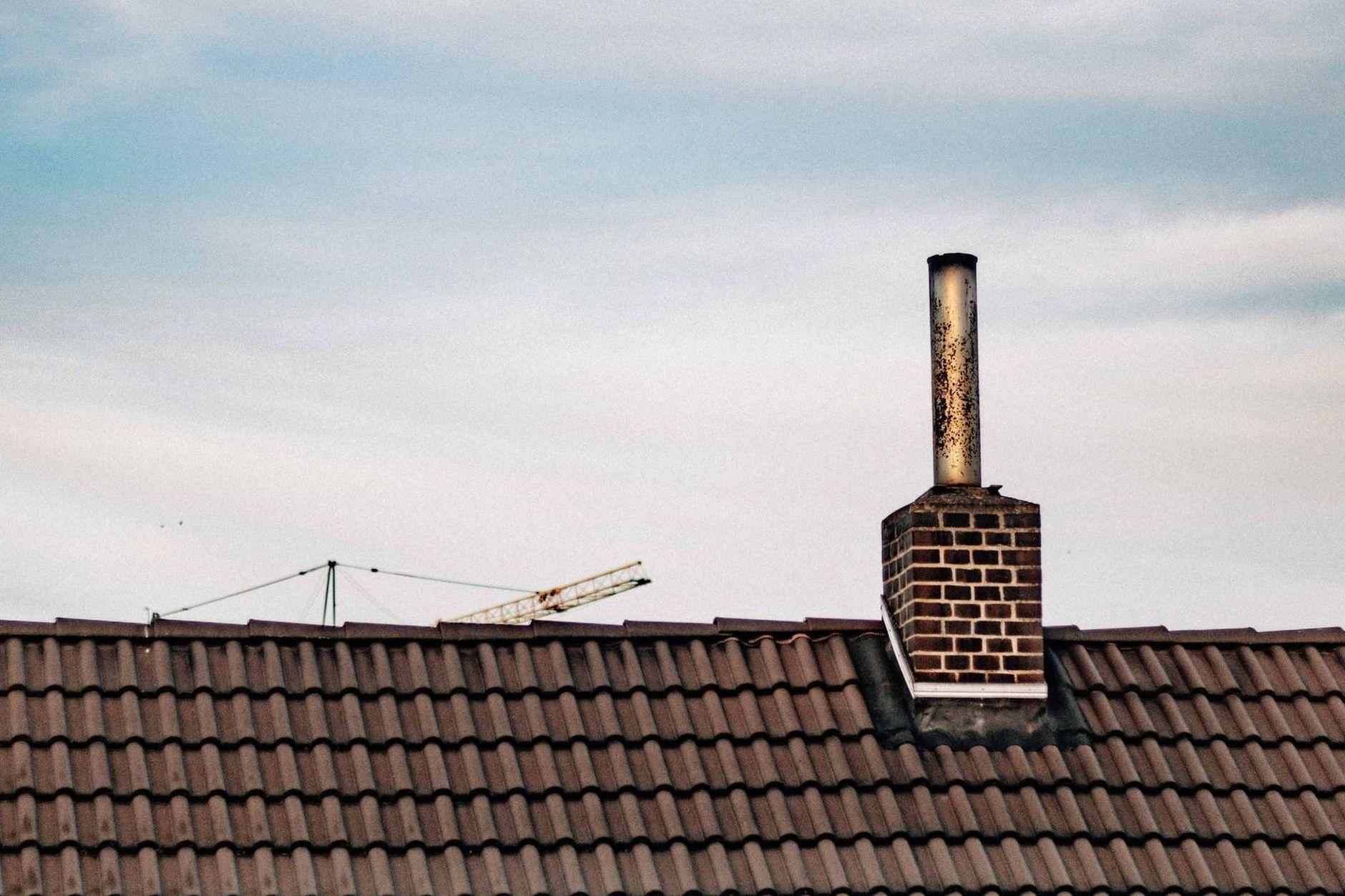
A Level 2 from Marsh Chimney Group covers the chimney inside and out. A camera travels each flue from bottom to top and we save the footage. Up top we look at the slab crown, the cap and its screen, the metal where roof meets brick, and every course above the shingles. Where the stack can be reached in the attic, we check the masonry and its distance from the wood around it. In the room we go over the firebox brick, the hearth, the damper and the smoke chamber.
The report comes as plain findings with photos and stills from the footage, each sorted by how soon it matters. Copies go to whoever you list on the booking, such as your agent.
What decides the next step
Most reports on older houses list something. What happens next depends on what kind of finding it is:
- Safety findings, such as a broken liner, a gap to framing or a firebox with open joints. These usually lead to a repair request or a price change in escrow, and they need a written repair figure.
- Water findings, such as a split crown or failed roofline metal. Real, but less urgent, and often fixed by the seller or credited.
- Wear findings, such as spalled face brick or worn joints. Worth knowing for your budget after closing.
For anything that needs a figure, use the quote form to give us the address in Orange, which side of the deal you are on and the findings you want priced. We write a repair scope from the report so you and your agent can carry it into the negotiation.
How a mason writes the masonry lines
Because we are masons, the brick findings in our reports are specific. Instead of "chimney needs repair", you will see which courses, which faces and what kind of failure: open joints, cracked brick, a loose top section, a crown with no edge. That detail matters when the other side wants to argue an item down or get its own price. Our home sale chimney inspection page walks through a sample report, finding by finding.
Gas logs in a brick firebox
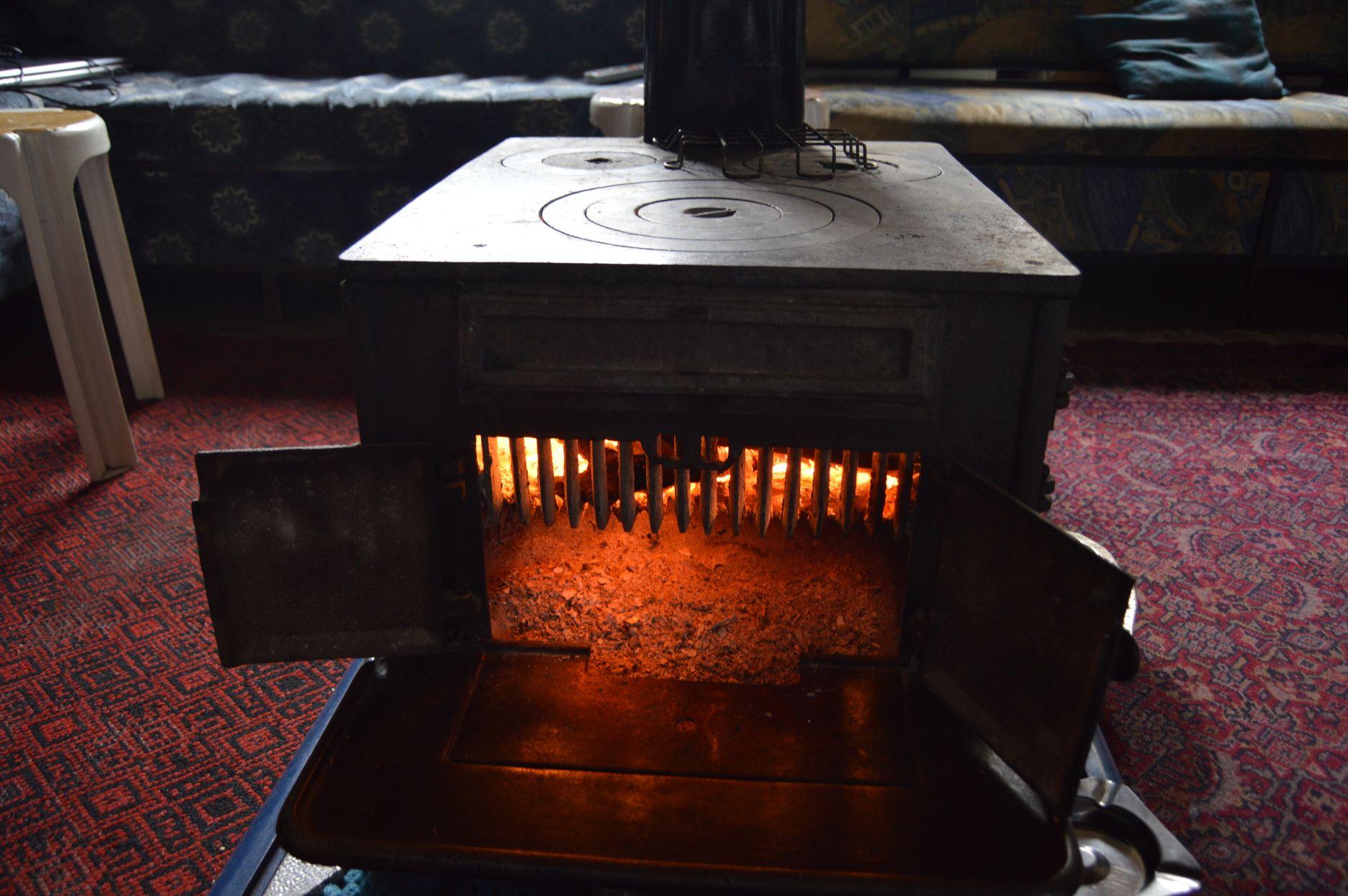
Plenty of fireplaces in Orange were switched to gas logs years ago, and buyers sometimes assume that means the chimney no longer matters. It still carries exhaust, and the flue tile and brick around it age the same way whether the fire is wood or gas. A gas set burning in a firebox with open joints, or venting into a flue with a broken tile, is still a finding. We camera those flues the same way, and the report notes the log set and its damper position along with the masonry.
Older houses, older brick
Much of Orange was built before modern chimney rules, and many of the brick chimneys on its older streets carry no steel inside. Two strong regional quakes, in 1987 and 1994, fall well within the life of those houses. A camera cannot say how a chimney will ride out the next one, but it can show cracks or shifted tiles left by earlier shaking. If the report flags a loose or poorly held stack, our bracing post covers the choices.
Timing inside escrow
The inspection contingency is the stretch when chimney findings can still change the deal. The Level 2 does the most good inside it, while the report can still shape a repair request. Once it closes, the findings are simply your own repair list. The Level 2 service page has more on the visit itself.
Set it up
Buying a house with a brick chimney in Orange? Pass us the property address and your agent's name through the contact page, and we arrange the Level 2 and send the report to both of you.
Have a Mason Look at Yours
Marsh Chimney Group works on brick chimneys in Orange and across Orange County. We test the joints, read the brick and the crown, and send a written scope that names each repair, its material and its price before any work begins.